A dual-basin portable handwash station operates entirely independent of city utility taps, using a sealed 20- to 22-gallon freshwater reservoir paired with a matching 22- to 24-gallon waste bladder. Each station…
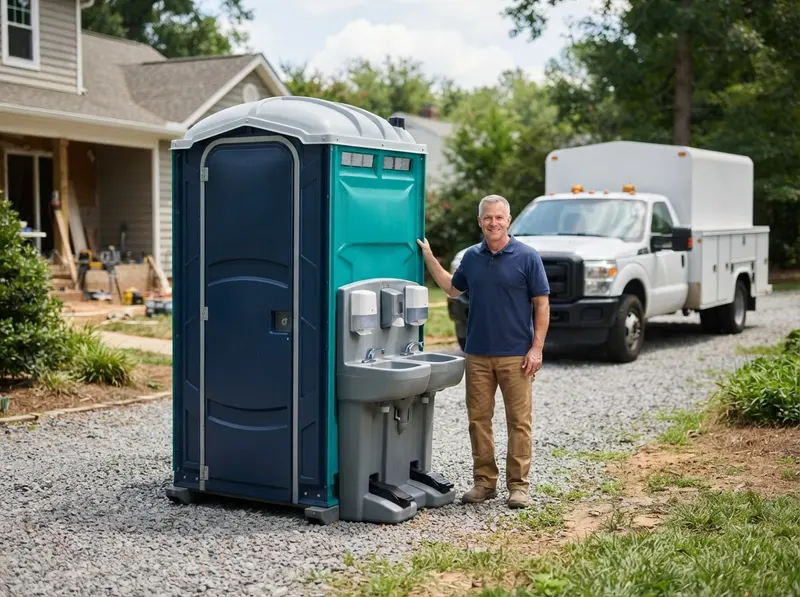
A dual-basin portable handwash station operates entirely independent of city utility taps, using a sealed 20- to 22-gallon freshwater reservoir paired with a matching 22- to 24-gallon waste bladder. Each station delivers roughly 200 to 350 individual hand washes per fill via hands-free mechanical foot pumps. A dedicated sink station provides continuous running water, unlike standard chemical toilets containing basic waterless hand sanitizer dispensers that smear grease and leave particulate matter on skin. In food service perimeters near Plaza Midwood pop-ups or high-volume artisan markets across NoDa, separate wash basins satisfy Mecklenburg County Health Department operational standards that mandate physical running water and single-use towels for staff. The trade-off is clear: while a basic porta-potty with a chemical foam pump saves roughly 4 square feet of footprint, it fails OSHA construction inspection requirements on jobsites with hazardous materials or lead abatement.
Placement logistics depend heavily on the physical ground profile. In urban build zones like South End or Elizabeth, stations sit directly on asphalt or compacted stone near pedestrian entry points. In older residential neighborhoods like Dilworth and Myers Park, historical oak canopies, steep driveway pitches, and curb heights require flat, firm stabilization so the internal foot-pump linkage does not bind under uneven basin weight. Delivery drivers position the station within 25 feet of service-truck access roads so route technicians can pump out greywater, disinfect basins with hospital-grade sanitizers, and refill fresh water reservoirs on schedule without driving heavy machinery onto soft turf.
Site supervisors manage logistics through three straightforward phases: 1. Confirm station placement on a flat surface along with the total head-count schedule. 2. Receive the clean, sanitized dual basin stocked with antibacterial soap and paper towels. 3. Route drivers complete scheduled weekly or bi-weekly pump-outs and freshwater replenishments before removing the unit at project completion.
Every job gets a firm, written price after a free on-site visit.
Tell us about your dual-basin portable handwash stations job in Charlotte and we'll send a clear, written quote, usually the same day.
 Grand Canyon Portable Toilets